
Pasta Manufacturing Company for Sale in Sambalpur, India
Well-established pasta and vermicelli manufacturer, renowned for B2B contract manufacturing with strong distributor network.
Premium Plan
| Established | 1-5 year(s) |
| Employees | 50 - 100 |
| Legal Entity | Private Limited Company |
| Reported Sales | USD 1.9 million |
| Run Rate Sales | USD 1.9 million |
| EBITDA Margin | 10 - 20 % |
| Industries | Biscuit Manufacturing + 1 more |
| Locations | Sambalpur |
| Local Time | 3:26 PM Asia / Kolkata |
| Listed By | Business Owner / Director |
| Status | Active |
Full Sale
Asking Price:
USD
1.27 million
(Native Currency: INR 120,000,000)
Reason: Relocating out of the country. We are looking for buyers who are operating or are associated with si...
View More
Includes physical assets worth
USD
1.27 million
Interested to connect with advisors
Name, Phone, Email
Available after connect
Business Name
Not disclosed
User Verification
Documents

Udyam Registration Certificate
(237.3 KB)
Start-up India Registration
(64.9 KB)
Pollution Clearance Certificate
(427.3 KB)
Certificate of Incorporation
(221.2 KB)
GST Registration
(93.7 KB)
Company PAN
(84.8 KB)
Business Overview
1. Core business model: Italian quality pasta for the Indian palate.
- The business model is built on 3 pillars: Premium quality, modern technology, and aggressive B2B distribution.
- The production philosophy is based on the use of 100% durum wheat semolina (suji), ensuring the pasta is healthy and eggless, specifically catering to the Indian vegetarian demographic.
- The manufacturing edge lies in the use of advanced Italian technology, including bronze dies that create a rough texture for better sauce retention, and automatic slow-drying processes that preserve the natural aroma and nutritional value of the wheat.
- Revenue streams are diversified across retail distribution and B2B wholesale supply to hotels, cafés, and export markets.
2. Distribution and expansion strategy:
- The company’s growth is driven by a robust distributor-led model.
- With its central location in the country, the business has established a strong presence across India and is expanding into neighboring countries.
- Distributorship opportunities are actively offered, with attractive profit margins of approximately 30 percent, supported by marketing collateral and brand-building assistance.
- The products are available on major Indian B2B and B2C platforms such as IndiaMART, TradeIndia, and Flipkart, as well as in local supermarkets.
3. Key company statistics:
- The annual turnover is estimated at approximately ₹18 crore, varying by year and source.
- The company employs around 50 people.
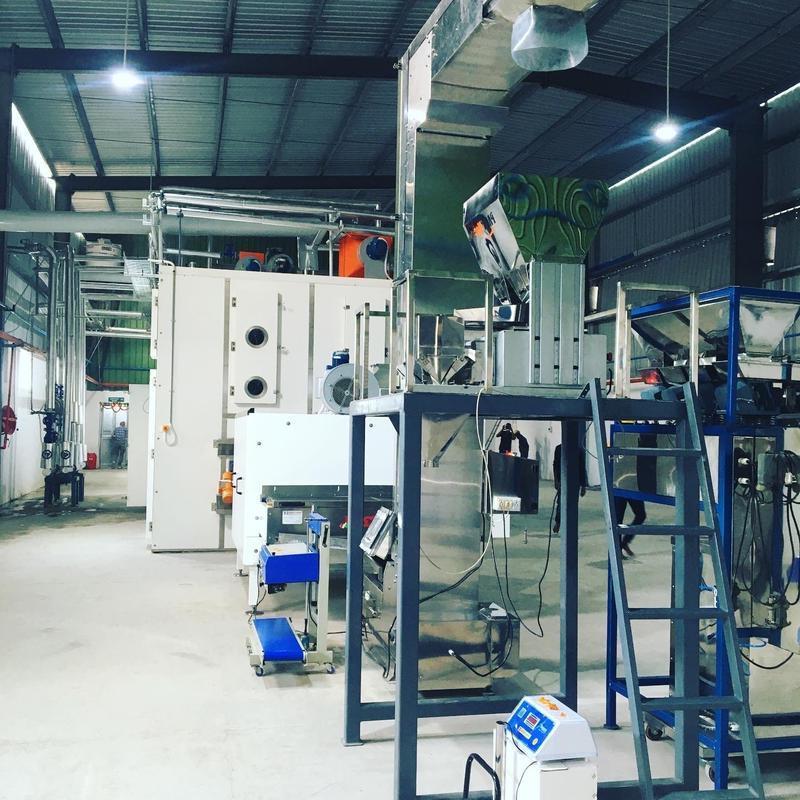
- The facility is a fully automatic production unit with zero human interference during material handling and packaging to ensure high hygiene standards.
- The production capacity is approximately 12 tons per day.
4. Business operations and compliance:
- The company operates under multiple registrations and certifications, including MCA, FSSAI, ISO, GST, Udyam, DPIIT, factory license, and pollution control clearance.
- The business model is split evenly between own branded products and contract manufacturing for other brands, on a 50:50 basis.
- Sales channels include a distributor network of over 100 distributors in Odisha, while contract manufacturing supplies more than 10 brands across India. Supply frequency is typically on a monthly basis.
- The business is registered with MCA in Bhubaneswar, Odisha, while the production facility is located in Sambalpur, Odisha, strategically positioned very close to the Raipur border.
- The business currently enjoys tax exemptions for the next two years.
- The business model is built on 3 pillars: Premium quality, modern technology, and aggressive B2B distribution.
- The production philosophy is based on the use of 100% durum wheat semolina (suji), ensuring the pasta is healthy and eggless, specifically catering to the Indian vegetarian demographic.
- The manufacturing edge lies in the use of advanced Italian technology, including bronze dies that create a rough texture for better sauce retention, and automatic slow-drying processes that preserve the natural aroma and nutritional value of the wheat.
- Revenue streams are diversified across retail distribution and B2B wholesale supply to hotels, cafés, and export markets.
2. Distribution and expansion strategy:
- The company’s growth is driven by a robust distributor-led model.
- With its central location in the country, the business has established a strong presence across India and is expanding into neighboring countries.
- Distributorship opportunities are actively offered, with attractive profit margins of approximately 30 percent, supported by marketing collateral and brand-building assistance.
- The products are available on major Indian B2B and B2C platforms such as IndiaMART, TradeIndia, and Flipkart, as well as in local supermarkets.
3. Key company statistics:
- The annual turnover is estimated at approximately ₹18 crore, varying by year and source.
- The company employs around 50 people.
- The facility is a fully automatic production unit with zero human interference during material handling and packaging to ensure high hygiene standards.
- The production capacity is approximately 12 tons per day.
4. Business operations and compliance:
- The company operates under multiple registrations and certifications, including MCA, FSSAI, ISO, GST, Udyam, DPIIT, factory license, and pollution control clearance.
- The business model is split evenly between own branded products and contract manufacturing for other brands, on a 50:50 basis.
- Sales channels include a distributor network of over 100 distributors in Odisha, while contract manufacturing supplies more than 10 brands across India. Supply frequency is typically on a monthly basis.
- The business is registered with MCA in Bhubaneswar, Odisha, while the production facility is located in Sambalpur, Odisha, strategically positioned very close to the Raipur border.
- The business currently enjoys tax exemptions for the next two years.
Products & Services Overview
Key products:- The company specializes in "short cut" dry pasta, which is the highest-selling category in India.
Product formats and target use:
- Penne rigate (100g/400g/500g/1kg): Top seller for restaurants and urban households.
- Fusilli (spirals) (100g/400g/500g/1kg): Popular for pasta salads and masala stir-fries.
- Elbow macaroni (100g/500g/Bulk): Widely used in school tiffins and quick snacks.
- Vermicelli (roasted & standard): Targets the traditional Indian market for dishes like Upma and Kheer.
1. Top-selling shortcut production in our factory:
The focus is on shapes that can hold thick, spiced gravies or be eaten easily with a spoon.
- Penne rigate: The absolute bestseller. The ridges (rigate) are highly valued by Indian consumers because they hold heavy masala and cream-based sauces better than smooth surfaces.
- Elbow macaroni: Often referred to simply as "Macaroni" in India, it is a staple in households for school tiffins and is frequently used in Indian-style salads and Mac & Cheese.
- Fusilli (spirals): Popular for its aesthetic appeal.
- Vermicelli (seviyan): While technically a long cut, Indian factories produce a short-cut roasted version, which is a top seller for traditional dishes like Upma (savory) and Kheer (sweet).
2. Factory services (contract) for the Indian market:
Indian pasta factories provide specialized B2B services to help brands navigate the country's diverse food regulations and tastes.
- Contract manufacturing & private label: The company produces pasta for supermarket house brands.
- Alternative flour extrusion: Due to rising health trends, the factory offers services to produce pasta from millet (jowar/bajra), chickpea, or multigrain blends targeting the premium health segment.
3. Who uses them and how:
A. Urban households (the "tiffin" market):
- Who: Busy parents and working professionals in Tier 1 and Tier 2 cities.
- How: Shortcut pasta is used as a quick breakfast or lunchbox snack. Unlike in Italy, it is often boiled until soft and tossed with ginger-garlic paste, onions, tomatoes, and garam masala.
B. Street food vendors & "Maggi points":
- Who: Small roadside stalls near colleges and offices.
- How: They use bulk-purchased elbow macaroni or penne to make "street-style masala pasta, " often loaded with processed cheese, butter, and extra chili flakes.
C. Quick service restaurants (QSRs) & cafes:
- Who: Chains like Domino’s India, Pizza Hut, and local cafes.
- How: They use par-boiled or IQF (individually quick frozen) shortcut pasta, allowing them to serve "white sauce pasta" in under three minutes by simply heating the pre-cooked pasta with a sauce base.
D. The catering & wedding industry:
- Who: Event caterers for large-scale Indian weddings.
- How: They set up "live pasta counters. " Shortcut pasta (penne/fusilli) is preferred because it is easy to portion out quickly to hundreds of guests compared to long spaghetti.
Assets Overview
- Physical assets: The business owns 1 acre of land with a production building, along with plant, machinery, and trucks.- Intangible assets: The business holds an established brand and a recurring customer base.
Facilities Overview
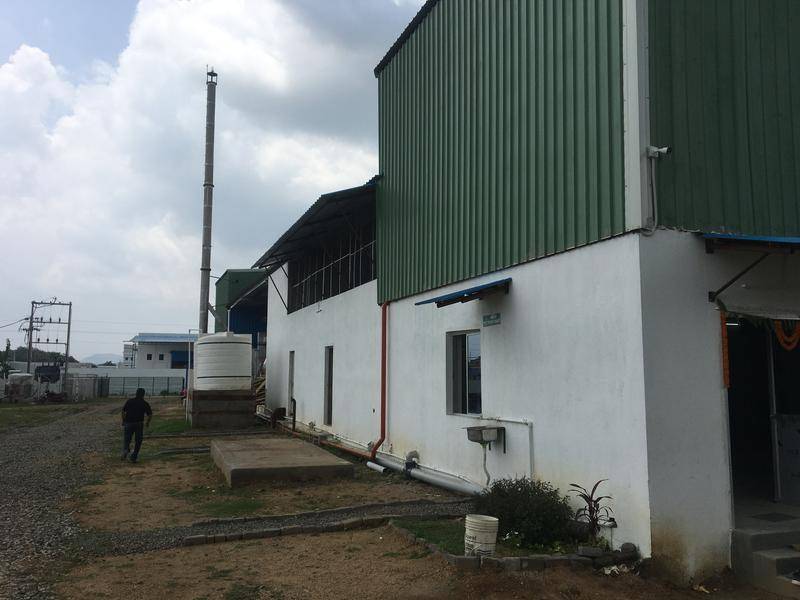
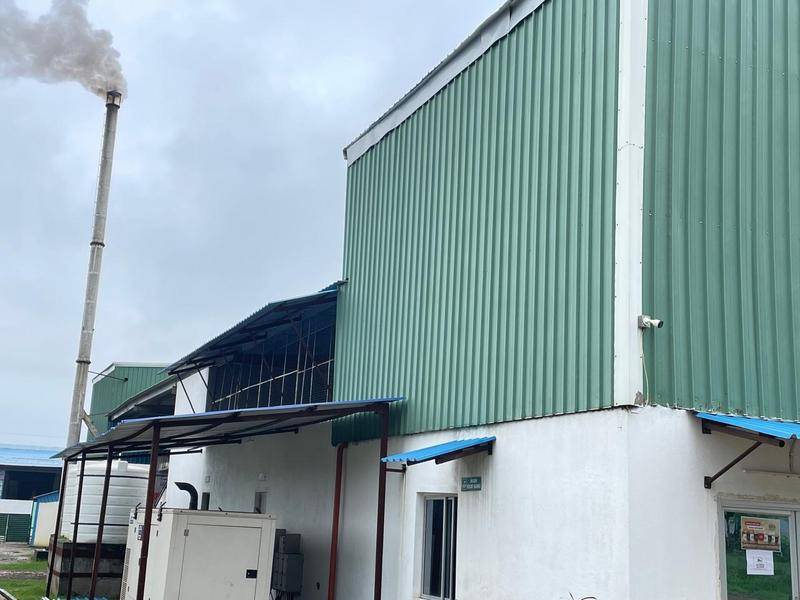
Own land and building:- The production facility is spread over 1 acre of land and is fully owned by the company. It is located in the IDCO Industrial Estate in Sambalpur, Odisha, strategically positioned very close to the Raipur border.
- The plant is a modern, high-tech unit designed to replicate traditional Italian pasta-making standards on an industrial scale and has good accessibility to major ports.
1. Advanced Italian technology:
- The facility is powered by Italian machinery from a world leader in pasta production technology based in Italy. This provides the factory with a significant quality advantage over local manufacturers.
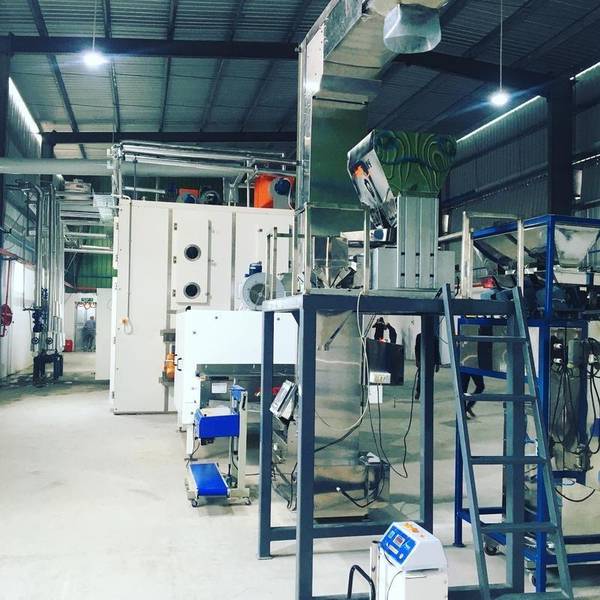
- The production process is fully automated and untouched by hand. From the initial mixing of semolina and water to final packaging, the entire process is automatic, ensuring high standards of hygiene and consistency.
- The machinery uses high-pressure precision extrusion to form shapes such as penne and fusilli without compromising the protein structure of the wheat.
2. Artisanal quality at scale:
- Despite being a mass-production facility, the unit incorporates specific artisanal methods typically found only in boutique Italian factories.
- Bronze dies are used instead of cheaper Teflon dies, creating a rough and porous pasta surface that allows sauces to adhere better, which is a key brand differentiator.
- The facility follows a low-temperature, slow-drying process rather than flash drying. This preserves the natural aroma, golden color, and nutritional value, particularly the gluten and protein content, of the durum wheat.
3. Infrastructure and strategic location:
- The plant is located in a region selected strategically due to its climate, which is well suited to the pasta drying process.
- The facility is well connected for pan-India distribution, enabling efficient shipment of bulk orders to hubs such as Bhubaneswar, Cuttack, and other major markets.
- The project was established at an approximate cost of ₹15 crore, reflecting substantial investment in high-end machinery and quality control laboratories.
4. Quality control and standards:
- The facility includes an in-house laboratory to monitor raw materials and finished products.
- Raw material testing ensures the exclusive use of 100% durum wheat semolina, with no maida or refined flour blended into production.
- Product stability testing ensures the pasta remains non-sticky even after extended boiling, catering specifically to Indian cooking practices where pasta may be overcooked or reheated.
- The plant operates under FSSAI certification and complies with all applicable Indian food safety and quality standards.
Capitalization Overview
Ownership & shareholding pattern:- The ownership is concentrated within the founder family, ensuring high control over operations.
- The total number of shareholders is 2.
- The ownership breakdown consists of two directors.
Note: The company’s paid-up capital is currently ₹7.00 crore, which matches its authorized capital. This indicates that the founders have fully infused the initially planned equity into the business.
Debt profile & outstanding loans:
The company has utilized significant leverage to fund its ₹9.73 crore automated pasta plant located in the center of the country. The debt consists of long-term project loans and working capital facilities.
1. Major outstanding charges (loans):
- As per the Ministry of Corporate Affairs (MCA) records, the company has several active charges (secured loans) against its assets.
- The charge holders include Indian Bank with ₹8.90 crore created in September of this year, HDFC Bank Limited with ₹1.20 crore created in April of this year, and HDFC Bank Limited with ₹0.20 crore created in June of this year.
- The total estimated bank debt is approximately ₹10.30 crore.
2. Types of debt instruments used:
- Term loans are used primarily for the procurement of Italian Axor Ocrim machinery and the construction of the Balangir facility.
- Working capital (cash credit) is used to manage daily operational costs, including the purchase of raw durum wheat and managing the 45–60 day credit cycle for distributors.
- Promoter contribution of approximately ₹2.00 crore was originally infused, which often includes interest-free unsecured loans from the directors to the company.
Current financial health:
- The business has progressed from the “proposed project” stage, where it held a CARE B+ rating, to an active manufacturing stage.
- With a reported annual turnover in the range of ₹18 crore, the company utilizes its cash flows to meet interest obligations and principal repayments to Indian Bank and HDFC Bank.
Recent Activity
-
Earlier than 15 daysManaging Director, Pune, M&A Advisor connected with the Business
-
Earlier than 15 daysFounder & CEO, Chennai, M&A Advisor connected with the Business
-
Earlier than 15 daysManaging Director, Food Processing, Chandigarh, Corporate Investor / Buyer connected with the Business
Tags:
Biscuit Manufacturing Company for Sale in Sambalpur, India
·Purchase Biscuit Manufacturing Company in Sambalpur, India
·Cookie Manufacturing Company for Sale in Sambalpur, India
·Purchase Cookie Manufacturing Company in Sambalpur, India
·Ready-Made Meals Company for Sale in Sambalpur, India
·Buy Biscuit Manufacturing Company in Sambalpur, India
·Purchase Ready-Made Meals Company in Sambalpur, India
·Buy Cookie Manufacturing Company in Sambalpur, India
·Buy Ready-Made Meals Company in Sambalpur, India
·Biscuit Manufacturing Company for Sale
·Cookie Manufacturing Company for Sale
·Ready-Made Meals Company for Sale
Disclaimer: SMERGERS is a regulated marketplace for connecting business sell sides with investors, buyers, lenders and advisors. Neither SMERGERS represents nor guarantees that the information mentioned above is complete or correct. Note that SMERGERS is not liable for any loss, damage, costs, claims and expenses whatsoever arising from transacting with any other user from the website. The final responsibility of conducting a thorough due diligence and taking the transaction forward lies with the users. Please read best practices on SMERGERS.
Contact Business
 3 Buyers already contacted this Business.
Register below to connect now!
3 Buyers already contacted this Business.
Register below to connect now!
- Social
- Register
- Login
Who uses SMERGERS?



... and 66,000+ other businesses of all sizes.
Disclaimer: SMERGERS is a regulated marketplace for connecting business sell sides with investors, buyers, lenders and advisors. Neither SMERGERS represents nor guarantees that the information mentioned above is complete or correct.
You might also be interested in these businesses